Shield AI · Autonomy Applications Engineer ·
Making an unfamiliar aircraft ready for a customer’s flight demonstration.
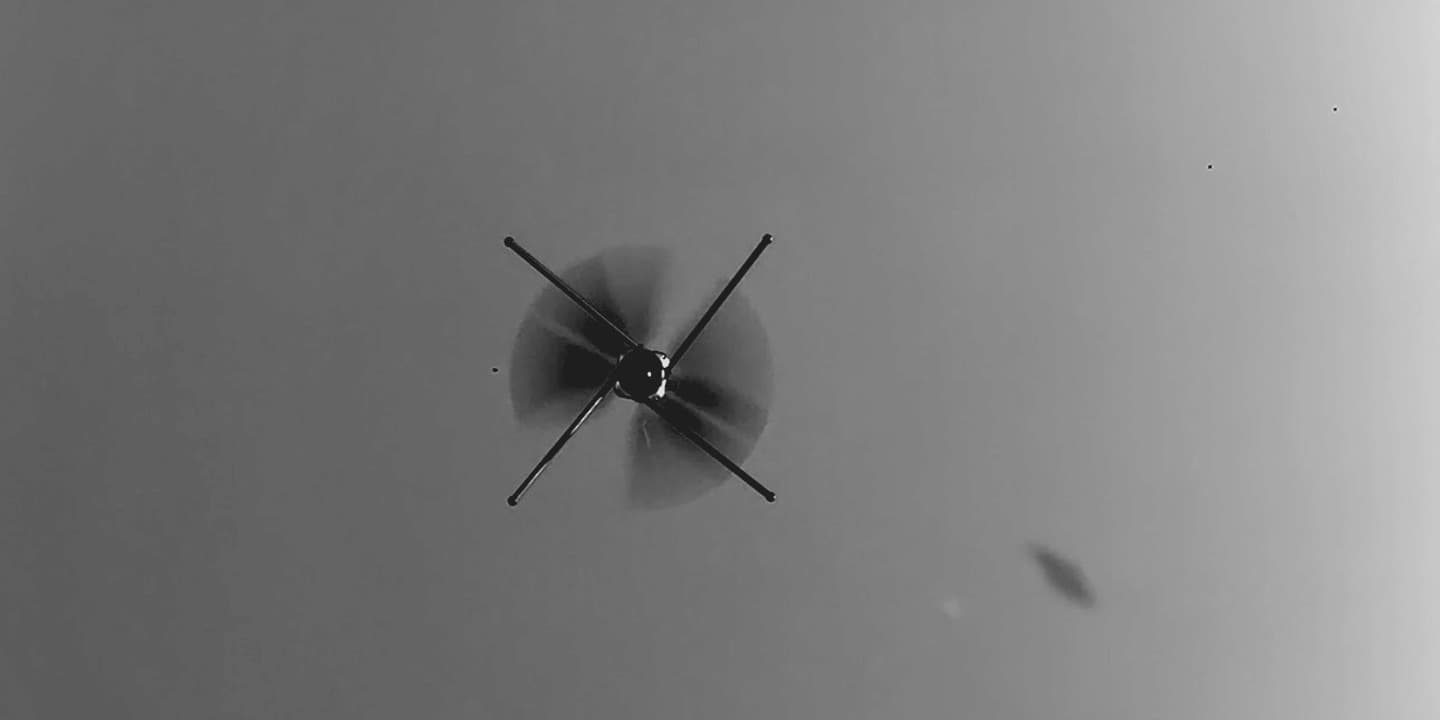
RSAF needed its search-and-rescue application to fly on Ascent Spirit, an aircraft the Hivemind SDK had never run on. With another engineer and a pilot, working directly with Ascent Aerosystems, I led the first integration. We brought companion compute, flight control, radios, and imaging into a system we could develop on, test, and prepare again and again.
The situation
Spirit came with its own flight stack, networking, and hardware interfaces, and our first unit was an early one. Platform engineering and Ascent’s engineers were designing the hardware component that connected companion compute to the flight stack, but the integration itself had limited priority elsewhere. As RSAF’s primary engineer, I took it on.
I had to learn the system while finding out where each problem actually lived: wiring, configuration, software compatibility, or the interaction between components. A connection that worked at one layer didn’t mean the whole system was ready to fly.
What I did
I worked through the interfaces between the companion computer, flight controller, radios, and cameras. That meant verifying serial connections and bidirectional MAVLink communication, getting the camera stream into the system where the SDK couldn’t yet read it directly, and diagnosing how flight-controller settings affected the SDK’s waypoint commands.
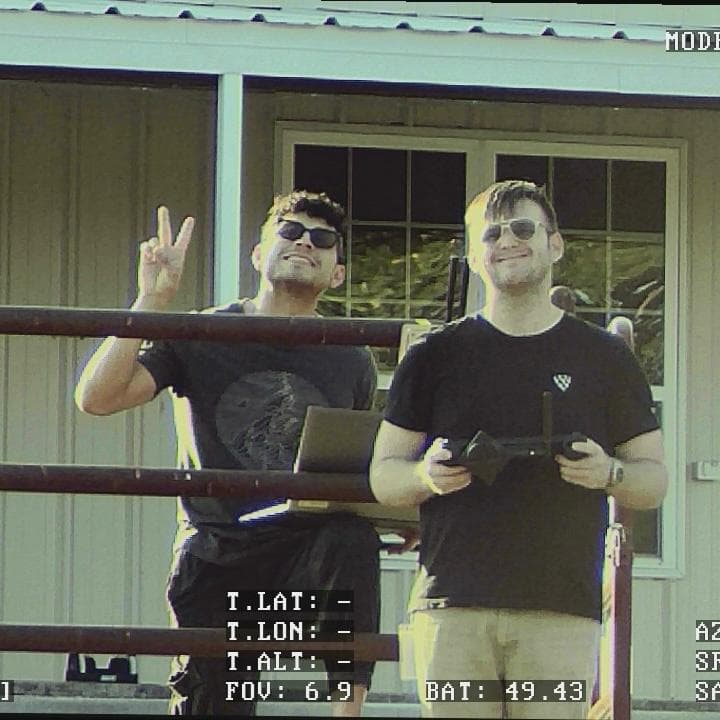
We built up software-in-the-loop and hardware-in-the-loop operation so we could chase problems on the bench before chasing them in the air. When something blocked us, I went to the people who knew that part of the system. The most important trip was a Boston onsite with a fellow engineer and a pilot, one week before the customer’s demonstration.
Hard-won fixes went into scripts and documentation for bring-up: network and radio configuration, flight-controller parameters, autonomy software, dependencies, and video streams. We later extended the same approach to preparing several vehicles at once.
I led the hardware component’s integration into the working system, flight-tested the autonomy, and documented feedback on the component from actual use.
What changed
The integrated Spirit flew the customer’s first successful demonstration, with leadership from both organizations present. By my estimate, single-vehicle bring-up went from about a week to about a day as the scripts, configuration, and documentation matured.
The work outlasted the demonstration. Spirit became part of our team’s hardware-testing workspace and a basis for much of its later flight testing, and the platform team asked for our documented feedback on improving the integration component.
This is the part of engineering I love most: separate pieces of hardware and software coming together until the machine comes to life.
Preparing for a platform change?
Tell me about the system, the milestone, and what still needs to work.
Discuss your system