Shield AI · Autonomy Applications Engineer ·
Helping a customer team build and fly its own autonomy.
For 15 months, I was the Republic of Singapore Air Force’s primary applications engineer, with Singapore’s Defence Science and Technology Agency (DSTA) participating in the work. I supported the team from its first Hivemind SDK training through the design, development, integration, and testing of a search-and-rescue concept, to a successful flight demonstration and a multi-agent follow-on.
The situation
RSAF’s engineers needed to go from learning an autonomy SDK to developing and flying their own application on real hardware. That path ran through training, requirements, software development, platform integration, and field testing, and the support they needed changed at every stage.
Teaching an API was only the start. The harder part was helping them understand what the system could do, where its limits were, and how to keep moving when they reached one. The goal throughout was a team that could keep building on its own.
What I did
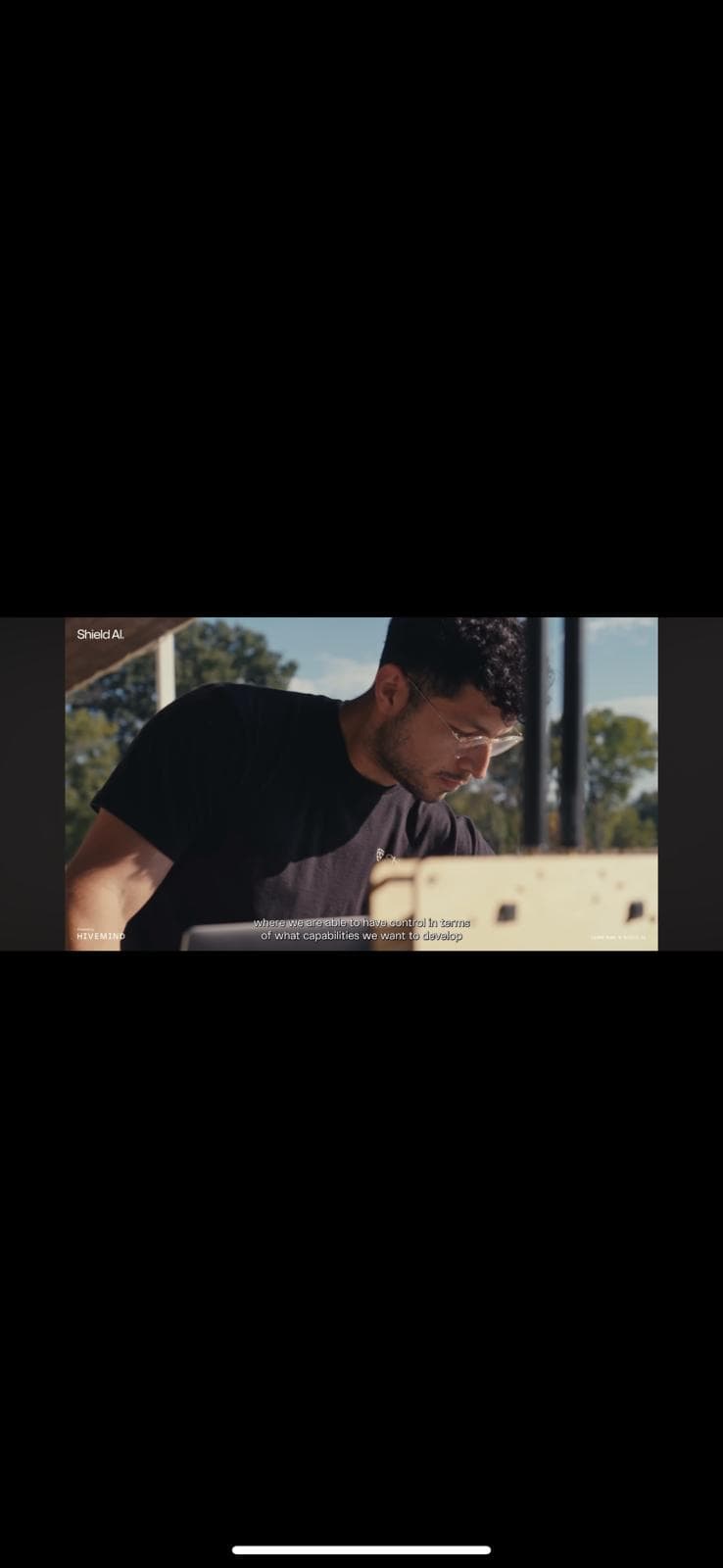
I hosted and delivered RSAF’s two-week SDK training and refined it around what their engineers needed in practice. I kept teaching and supporting the team for the rest of the program.
As an expert user of the SDK, I helped validate their concept of operations and scope its software, hardware, and integration requirements. Internally, that became system design, sprint planning, and rapid early implementation to reduce uncertainty before their development began. Then I worked alongside their engineers as they built the application, stepping in directly when a problem needed it.
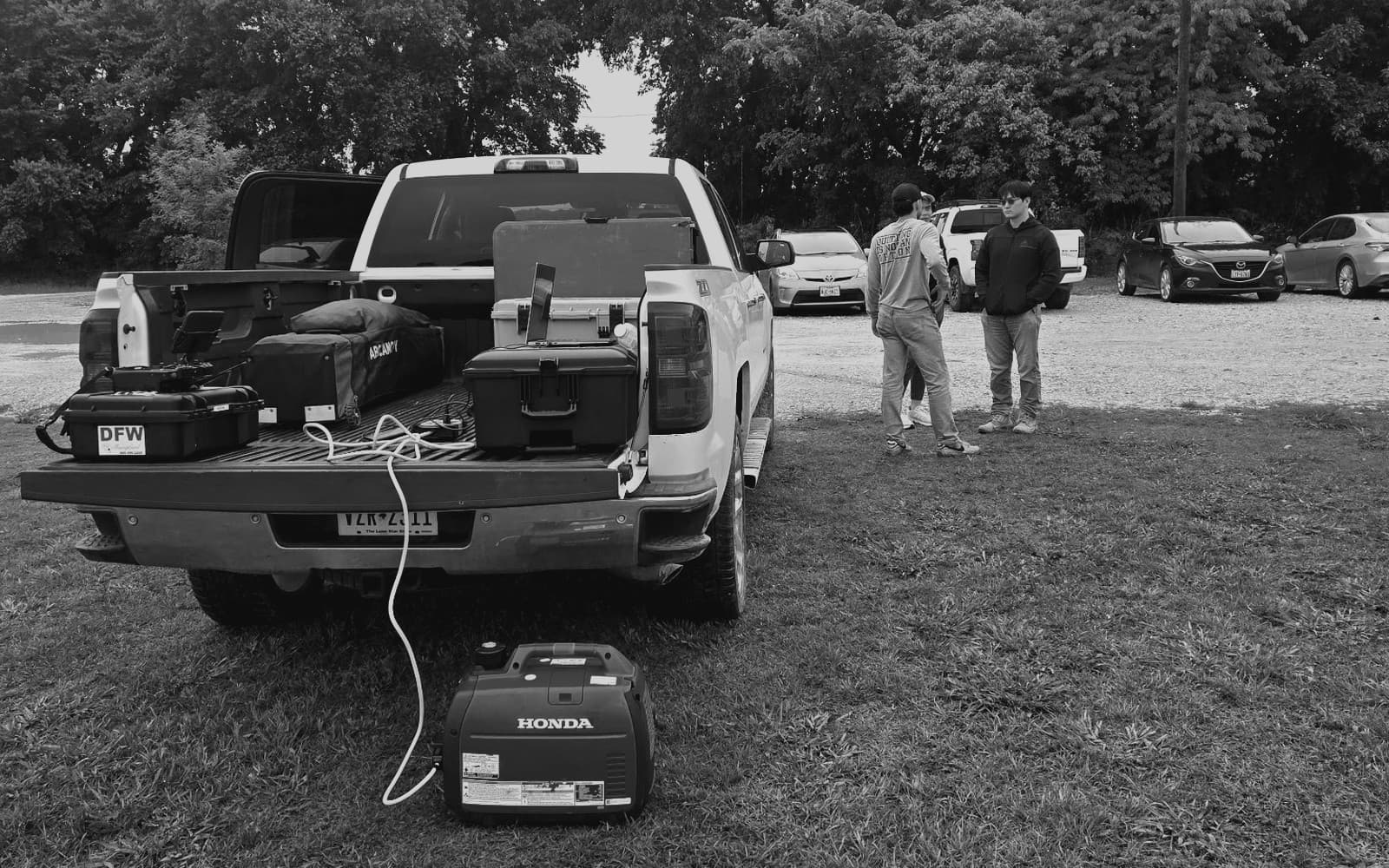
My involvement deepened when the work reached hardware, where they had the least support. I guided testing and integration with customer engineers, internal teams, and pilots, including the Ascent Spirit platform integration, and brought clear questions and evidence to whoever could resolve each issue.
Across both projects, I spent about ten weeks in Singapore, usually in two-to-three-week onsites at key stages. Those trips meant long days and a steady effort to keep everyone back home informed.
After the first demonstration, I kept supporting the multi-agent project, assisting with bring-up and deployment of a twelve-aircraft Spirit fleet and adapting our preparation workflows for concurrent work.
What changed
The first search-and-rescue project ended in a successful Spirit flight demonstration with leadership from both organizations present. The work continued into a multi-agent follow-on.
By the end of my role, I had supported software-in-the-loop, hardware-in-the-loop, and flight testing with up to two to three agents. I left before the multi-agent project’s final conclusion.
Throughout, what we learned with RSAF went back into product and engineering. That is what I want my work to leave behind: people who understand the system well enough to keep building on it.
Keep the integration moving.
Does a customer integration need more sustained engineering support? Tell me where the work is getting stuck.
Discuss your system