MicroStar Tech · Algorithm Engineer ·
Turning a scanned pile into the machine’s next move.
A point cloud describes a pile. A portal crane needs to know where to dig next, and a bucket-wheel reclaimer needs to know which material layers it can see. I developed the perception and operational-planning algorithms that answered those questions, along with the tools that made each answer inspectable.
The situation
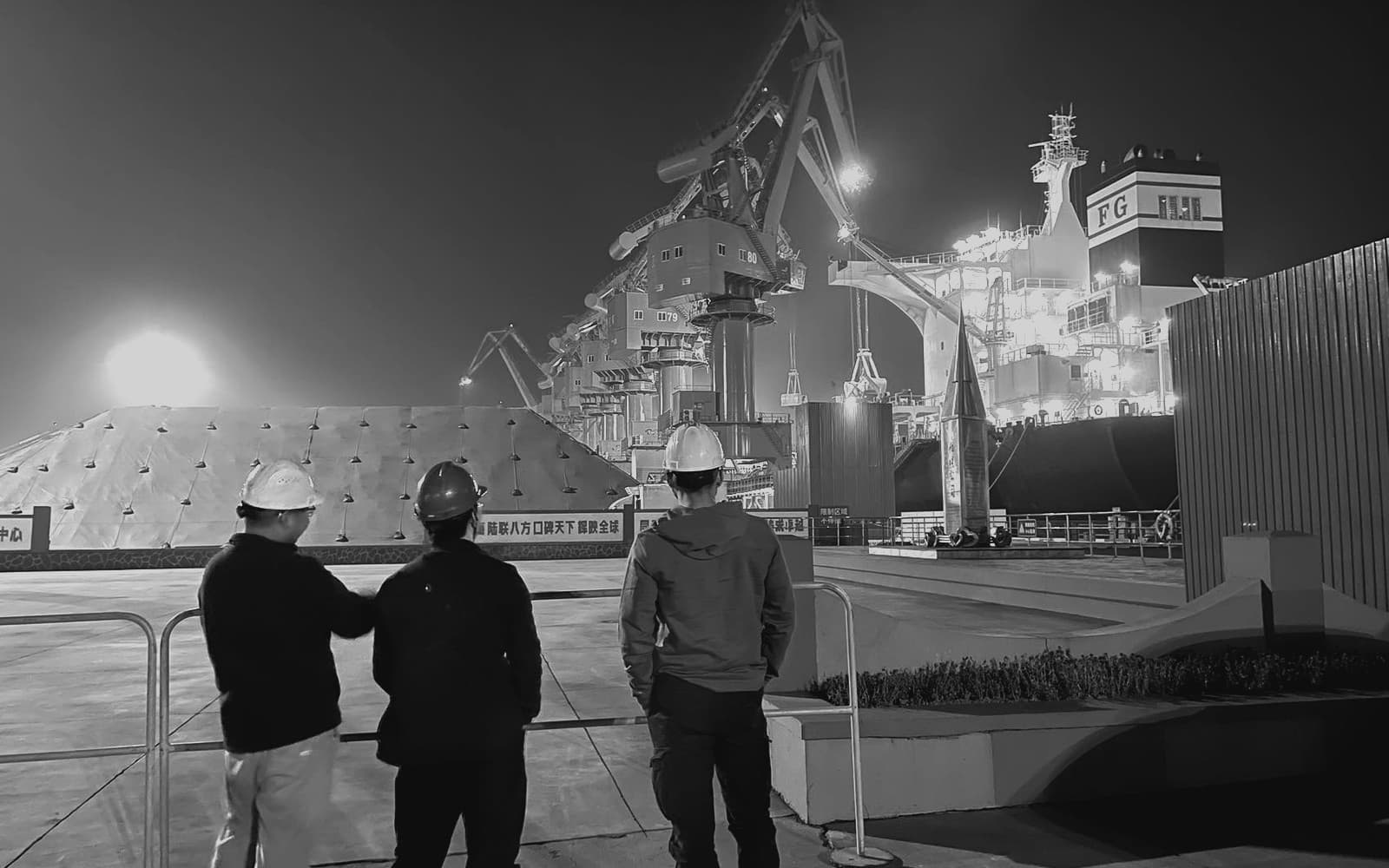
The geometry changes every time material moves, and the sensor only ever sees part of the scene.
For the portal crane, planning had to account for work mode, pile shape, ground height, and unsuitable regions near people and equipment. For the reclaimer, layer detection and calibration had to work with limited viewpoints, occlusion, and irregular piles. These were separate applications with different outputs.
What I did
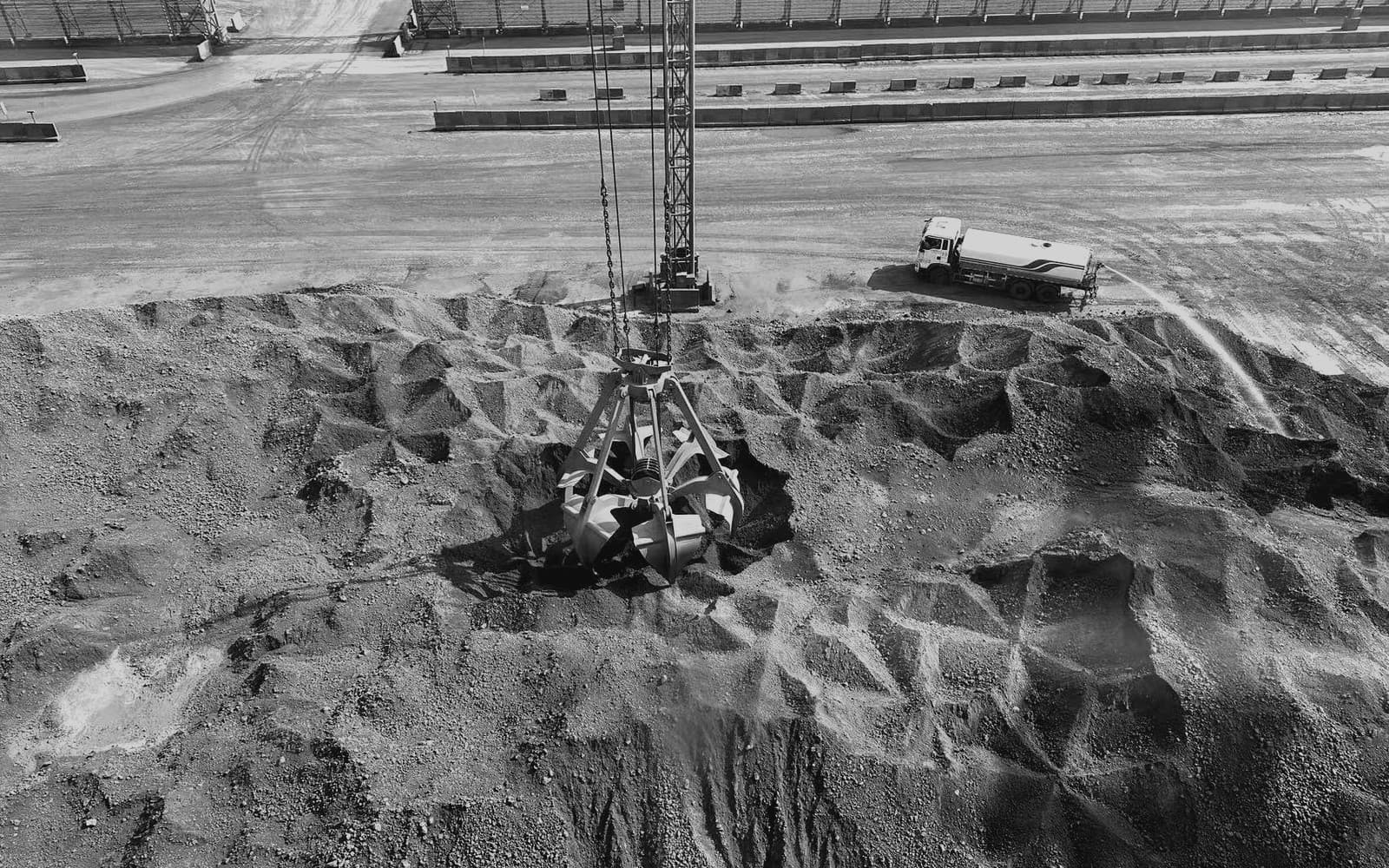
For the portal crane, I developed point-selection and working-pattern algorithms. The planner supported removal and placement modes, configurable queues, ground-height estimation, and constraints around slopes and pile edges. Its recommendation queue refreshed with each work event, so the operator could see what was coming next. I later refactored those algorithms and completed their integration into a second, pre-existing crane application.
I built a replay tool that took the configuration and point cloud from a work event and exposed every intermediate processing stage, so anyone investigating a result could see how the algorithm got there and catch regressions.
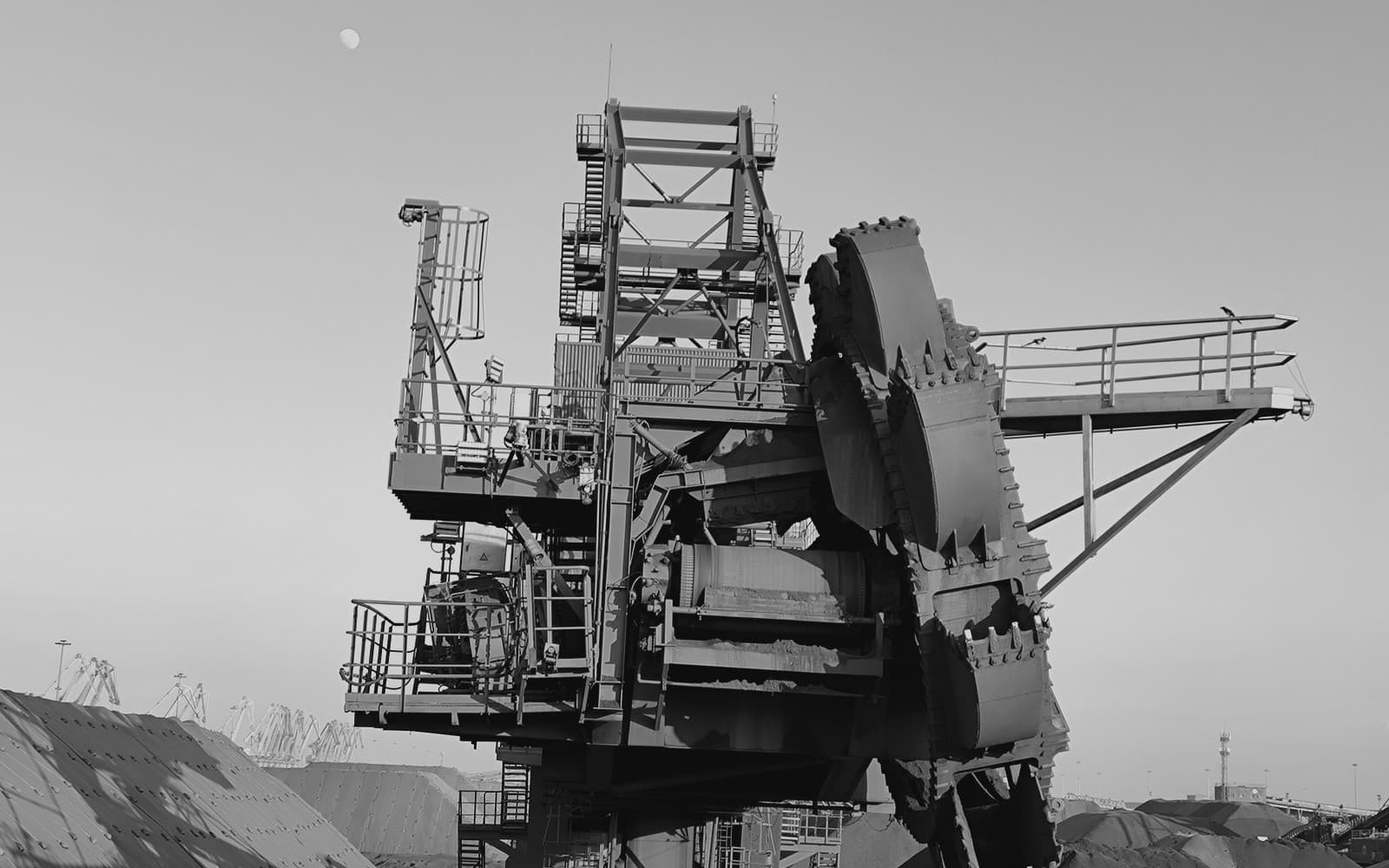
For the reclaimer, I worked on calibration and material-layer detection. After trying a 2D height-and-gradient approach, I settled on a detector that used point orientation to find upward-facing surfaces, grouped them, and ordered the resulting layers by height. I built a standalone test application and evaluated the detector against labeled data.
I worked in a cross-disciplinary, international team, alongside electrical and onsite engineers. My contribution was the algorithms, software, verification tools, and integration support around these machine functions.
What changed
The planning work was deployed on a portal crane and later integrated into the second crane application. The layer detector was implemented for the deployed reclaimer application.
Both came with test workflows that let us inspect their behavior rather than take it on trust. Occlusion and depressions in the material remained real difficulties for the reclaimer detector.
Turn sensor data into a useful decision.
Tell me what your machine needs to recognize or choose.
Discuss your system